


Professional services

Marble & Granite Stain Removal in Atlanta
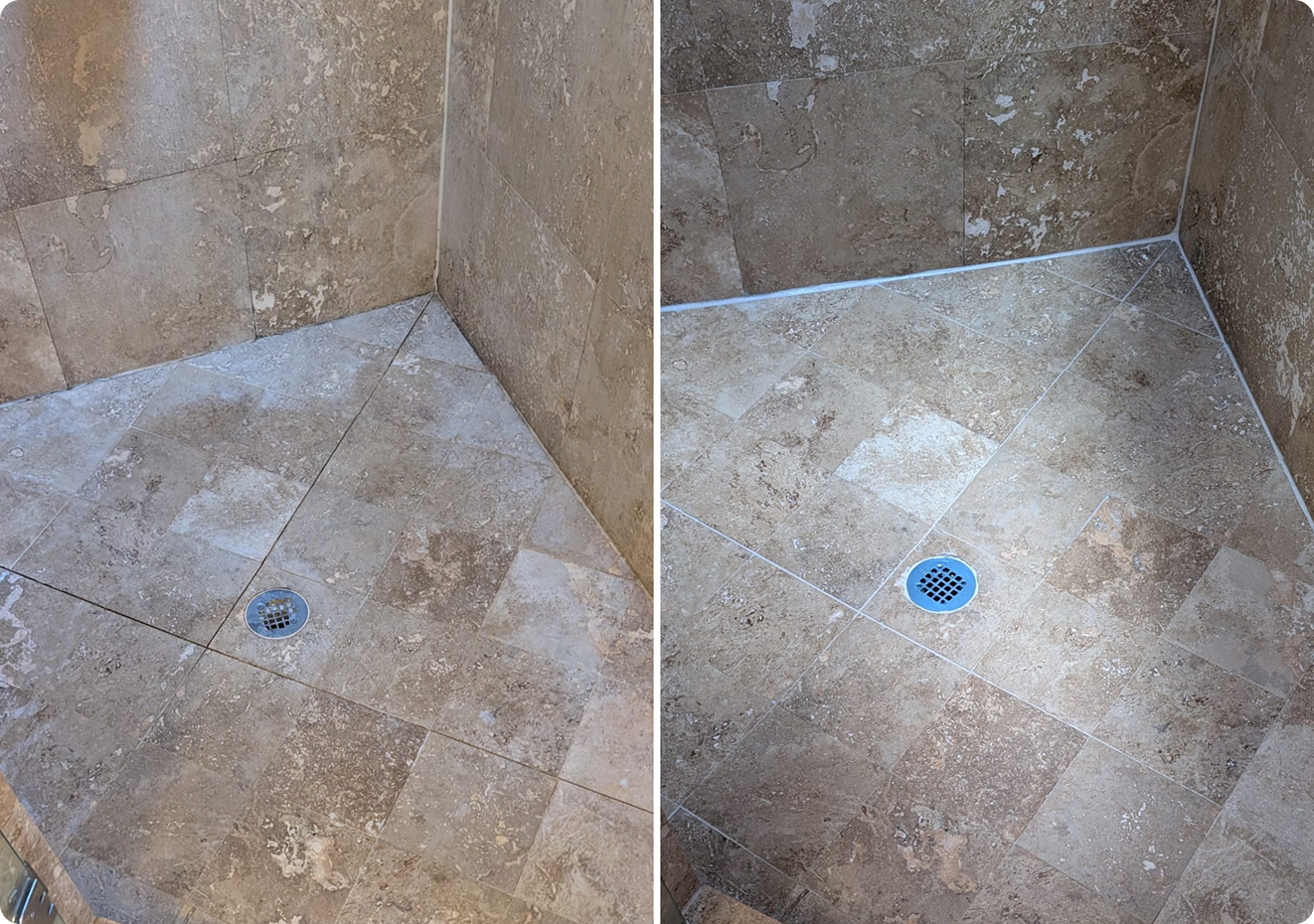
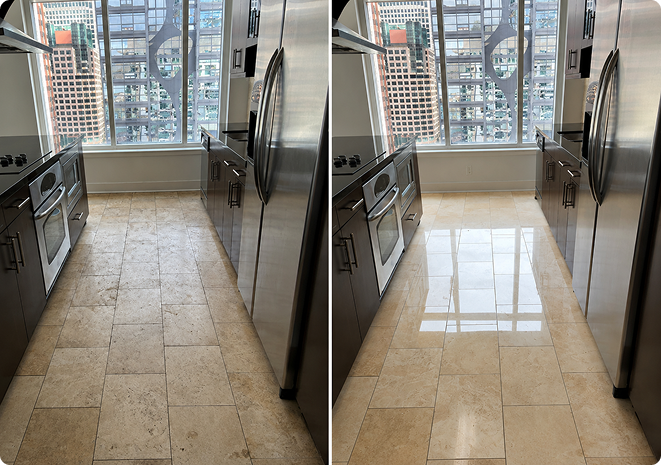
Stains on marble and granite happen more easily than most people expect. Marble stain removal and granite stain removal both use professional poultice methods to draw stains out from below the surface, without needing to replace the stone.


Quality Stone Restoration
Does Marble Stain? Does Granite Stain?
Marble stains fairly easily. It's a porous stone, so oil, wine, coffee and acidic foods can soak below the surface rather than sitting on top, which is why wiping a stain away often doesn't fully remove it. Granite stains too, but less readily, since it's denser and usually sealed, though a worn or missing sealant lets the same kinds of stains take hold over time.
The type of stain changes how we treat it. Oil-based stains pull out differently than rust stains, which come from metal cans or furniture left on the surface, and both are different again from general organic staining like coffee or wine. That's why a granite poultice or marble poultice is mixed to match the specific stain rather than used as a one-size-fits-all fix.
Complete Stone Care
What's Included

Marble Stain Removal
Granite Stain Removal
Oil Stain Treatment
Rust Stain Removal
Poultice Treatment (Marble & Granite)
Residential Stone Stain Removal
Chemical Stain Treatment
Coffee & Organic Stain Removal

Restoring natural beauty,
Professional Stain Removal for Marble & Granite
How to get stains out of marble usually comes down to poultice treatment, a paste that draws the stain out from below the surface rather than just cleaning what's on top. We mix the poultice based on the type of stain: an oil-drawing poultice for grease, a different formulation for rust, and another for general organic staining like coffee or wine. It's applied, covered, and left to work for a set period before being removed, sometimes repeated for a stain that's been sitting a while.
Removing stains from granite generally responds faster than marble, since granite is less porous, but it isn't stain-proof. How to get oil stains out of granite and how to remove chemical stains from granite both follow the same poultice approach, adjusted for how sealed the granite currently is.
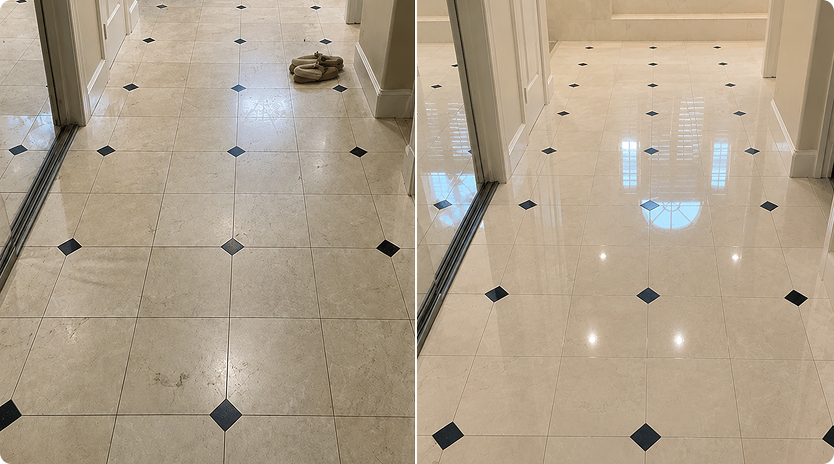
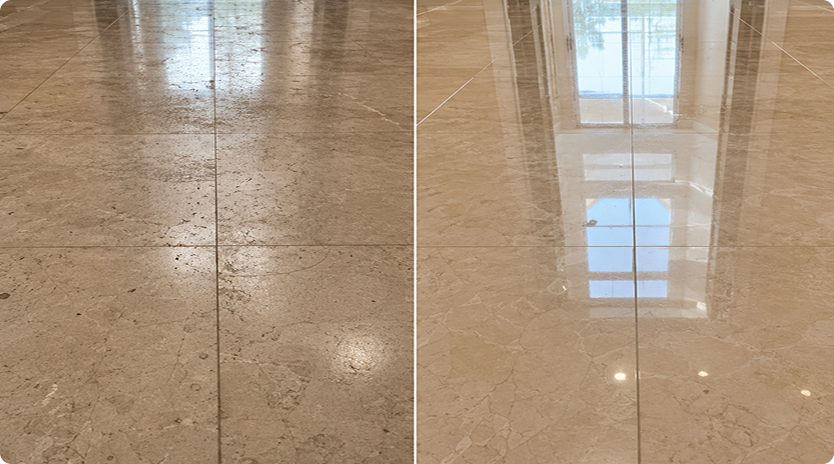
Not every stain fully lifts on the first treatment, and we're upfront about that. Deep or old stains sometimes leave a faint shadow even after poulticing, in which case honing and repolishing the area afterward evens out the appearance further.

Ready to Restore Your Stone?
Don't replace beautiful natural stone just because it has become worn or damaged. Let our restoration specialists evaluate the surface and recommend the right solution.
Our Services Areas by Cities

Atlanta
Buckhead
Brookhaven
Sandy Springs
Roswell
Alpharetta
Milton
Johns Creek
Marietta
Smyrna
Vinning
And More
Common Problems We Restore
FAQ
-
Most marble stains respond to a poultice treatment, a paste mixed to match the type of stain (oil, rust, or organic) and left on the surface to draw the stain out from below. It's slower than wiping a stain off the top, but it reaches staining that a regular clean can't touch.
-
Yes, though less easily than marble since granite is denser and typically sealed. A worn or missing sealant is usually what allows oil, wine or other stains to soak in; resealing after stain removal helps prevent it from happening again.
-
Rust stains need a poultice formulated specifically to draw out iron oxide, a general stain remover won't fully lift it. We apply the poultice, let it sit, and check the result before deciding whether a second treatment is needed.
-
Coffee stains are usually treated with a poultice suited to organic staining. Since granite is less porous than marble, these stains often lift faster, though how quickly depends on how long the stain has been sitting and the condition of the sealant.
-
There isn't a single store-bought product that reliably removes marble stains, since the right treatment depends on what caused the stain. A poultice matched to oil, rust or organic staining, applied and left to draw the stain out, is the most reliable approach.
-
Chemical stains, often from cleaning products or acidic substances, are treated with a poultice suited to the specific chemical involved. We assess the stain first, since some chemical exposure causes etching rather than staining, which needs a different repair approach.