

Professional services

Marble Etch & Water Spot Removal in Atlanta
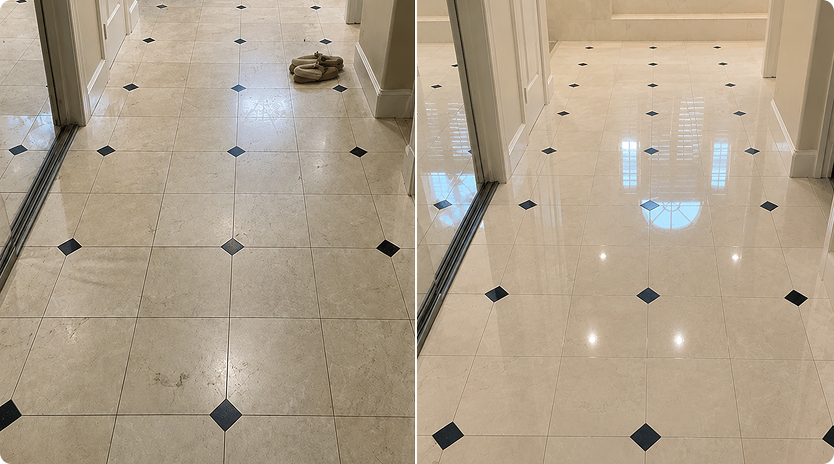
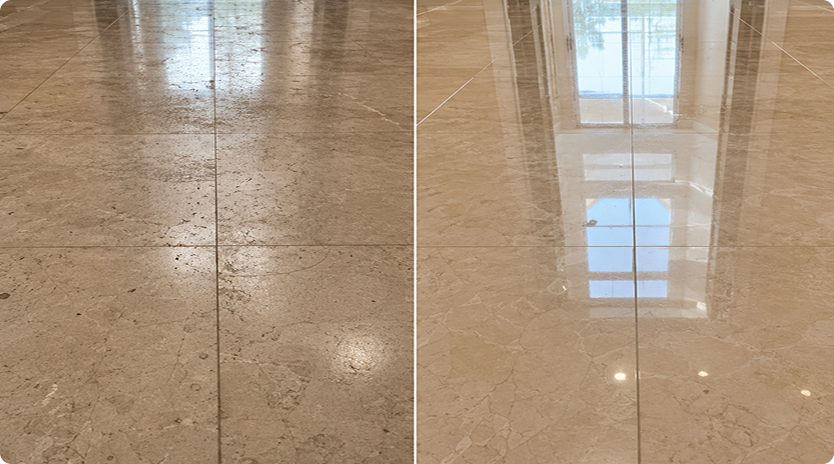
Marble etching and hard water stains are two of the most common issues we see on residential countertops, floors and showers. We treat both directly, restoring a smooth, even finish without needing to replace the stone.

Quality Stone Restoration
What Causes Etching on Marble ?
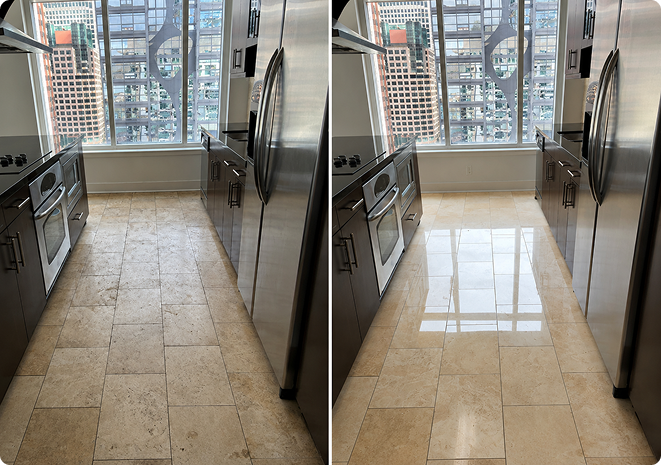
Etching on marble happens when something acidic, lemon juice, wine, vinegar, even certain cleaning products, comes into contact with the stone and reacts with it chemically. Unlike a surface stain, marble etching isn't just sitting on top, it's a dull or discolored mark where the acid has actually eaten into the surface. That's why a regular clean won't fix it, and why marble etching repair usually needs honing or polishing to correct.
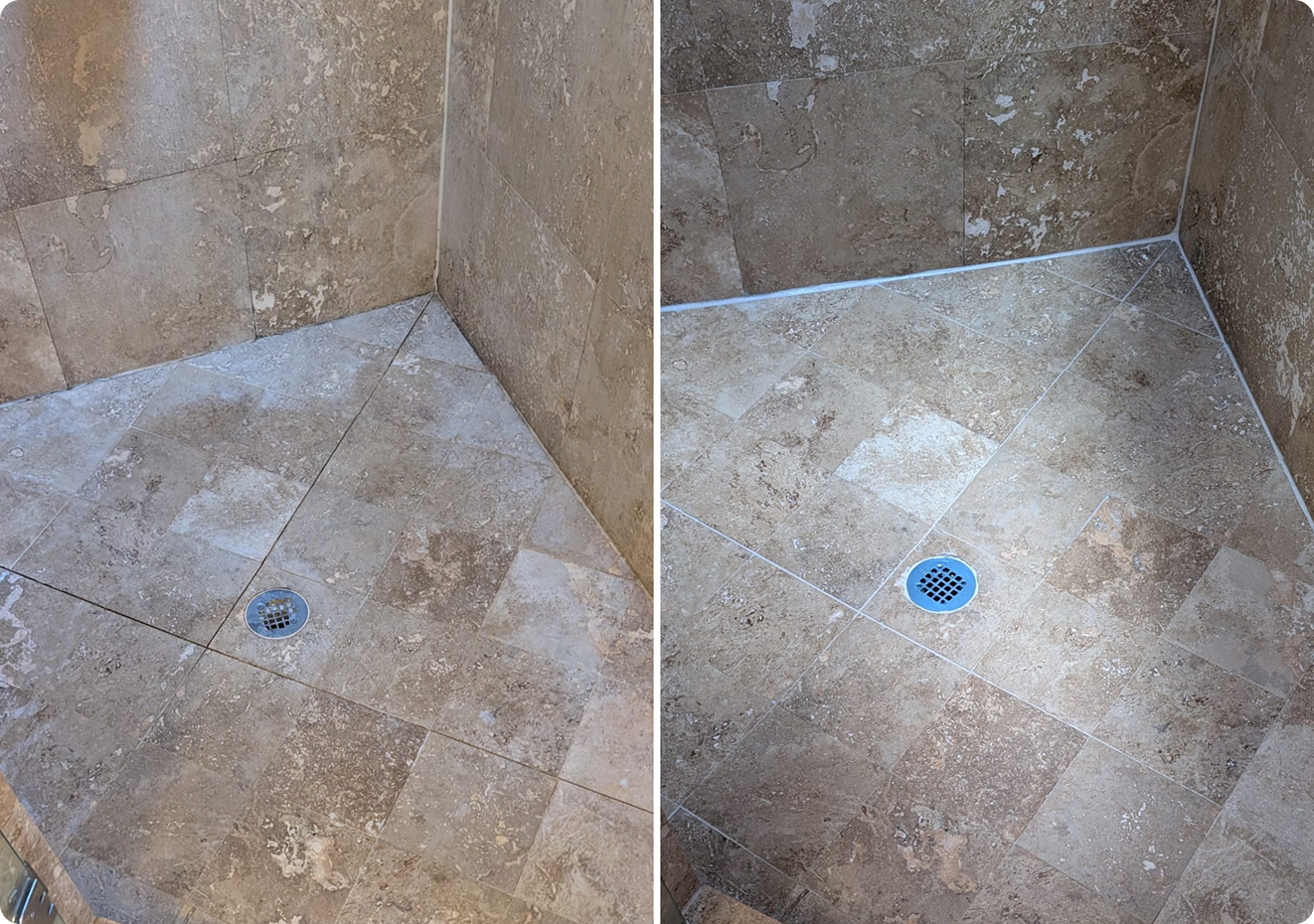
Hard water stains are a different problem entirely. Water stains on marble and granite are typically mineral deposits left behind after water evaporates, and they build up gradually around sinks, showers and countertop edges. Whether hard water stains on granite or marble will go away on their own depends on how long they've been building up. Fresh mineral buildup can sometimes be treated directly; deeper deposits usually need a professional marble etch remover treatment or poultice.
Complete Stone Care
What's Included

Marble Etch Repair & Removal
Hard Water Stain Removal (Marble & Granite)
Honed Marble Etching Correction
Marble Countertop Etching Repair
Marble & Granite Countertop Restoration
Residential Marble Etch Removal
Water Stain Removal for Showers & Sinks
Polishing After Etch Treatment

Restoring natural beauty,
Professional Etch & Water Stain Repair
What does marble etching look like? Usually a dull, cloudy ring or patch where the finish has gone flat, sometimes with a slightly rough texture you can feel if you run a hand across it. It's most common around kitchen countertops near cutting boards and cooktops, and in bathrooms where soap, toothpaste or acidic cleaners sit on the surface.
Can etched marble be repaired? In almost every case, yes. Light etching often comes out with polishing alone. Deeper etching needs honing first, a mechanical process that grinds down to a fresh, level layer of stone, followed by polishing to bring back the shine. We assess how deep the etching goes before recommending which approach your marble actually needs.
Water stains on marble and hard water stains on granite countertops are treated differently, since granite is far less reactive to acid than marble. For granite, we typically focus on breaking down and lifting the mineral deposit itself. For marble, we also check for any underlying etching hiding beneath the water spot, since the two issues often show up together.

Ready to Restore Your Stone?
Don't replace beautiful natural stone just because it has become worn or damaged. Let our restoration specialists evaluate the surface and recommend the right solution.
Our Services Areas by Cities

Atlanta
Buckhead
Brookhaven
Sandy Springs
Roswell
Alpharetta
Milton
Johns Creek
Marietta
Smyrna
Vinning
And More
Common Problems We Restore
FAQ
-
Light etching can often be corrected with polishing alone. Deeper etch marks need honing first, a grinding process that removes a thin layer of the damaged surface, followed by polishing to restore the shine. We test the depth of the etching before recommending which step your marble needs.
-
Etching happens when something acidic touches the marble's surface, common culprits include lemon juice, wine, vinegar, tomato-based foods, and some bathroom or kitchen cleaners. The acid reacts with the calcium in the stone, leaving a dull or discolored mark behind.
-
Hard water stains usually respond to a gentle, non-acidic cleaning approach followed by polishing, since acidic cleaners will etch marble further rather than help. For stains that have built up over time, a professional poultice treatment draws the mineral deposit out without damaging the surface underneath.
-
Yes, though granite is much more resistant to etching than marble. Hard water stains on granite are typically mineral deposits sitting on the surface rather than chemical damage, which usually makes them easier to remove without affecting the stone's finish.
-
In almost every case, yes. Light etching typically comes out with polishing, while deeper etching needs honing before polishing to fully restore the surface. The exception is etching combined with physical damage like deep scratches or chips, which may need additional repair first.
-
Yes. A stain usually sits on top of the surface and often has color to it. Etching changes the texture and shine of the marble itself, it looks dull or cloudy rather than discolored, and won't wipe away with cleaning since it's damage to the stone, not residue on it.