

Commercial Services

Commercial Stone Sealing in Atlanta
Commercial stone sealing for granite, marble, limestone, slate and sandstone surfaces across offices, retail spaces, hotels and other high-traffic commercial properties. A quality sealer is one of the simplest ways to protect a floor or countertop from the wear a business puts it through every day.

BUILT FOR COMMERCIAL SPACES
Why Commercial Stone Needs Sealing ?
Commercial stone takes a different kind of punishment than a home ever sees. Spills happen more often, cleaning crews use stronger products, and floors and counters rarely get a break between uses. Without a proper natural stone sealer, that constant exposure works its way into the surface, does sealing stone prevent stains, largely, yes, since a sealed surface gives spills less to soak into before cleanup.
What happens if natural stone is not sealed varies by material. Limestone and sandstone are porous enough that stains and water can set in fast, while granite resists it better but isn't immune. Whether granite countertops need to be sealed depends on the density of the specific granite, though sealing is inexpensive enough that most commercial properties treat it as standard maintenance rather than skip it and hope for the best. Does quartz need to be sealed is a common question too, quartz is engineered and non-porous, so it doesn't need a penetrating sealer the way natural stone does.
We provide commercial stone sealing for:
Hotels & hospitality spaces
Corporate offices
Commercial lobbies
Retail stores & showrooms
Restaurants & cafés
Apartment buildings
Reception areas
Luxury developments
Our Services benifits
A Smarter Way to Care for Natural Stone

Granite Countertop Sealing
Marble Sealer Application
Limestone Cleaning & Sealing
Slate Tile Cleaning & Sealing
Natural Sandstone Sealing
Commercial Granite Sealer Service
Penetrating Sealer for High-Traffic Floors
Sealer Reapplication & Maintenance
Restoring natural beauty,
Professional Sealing for Commercial Stone
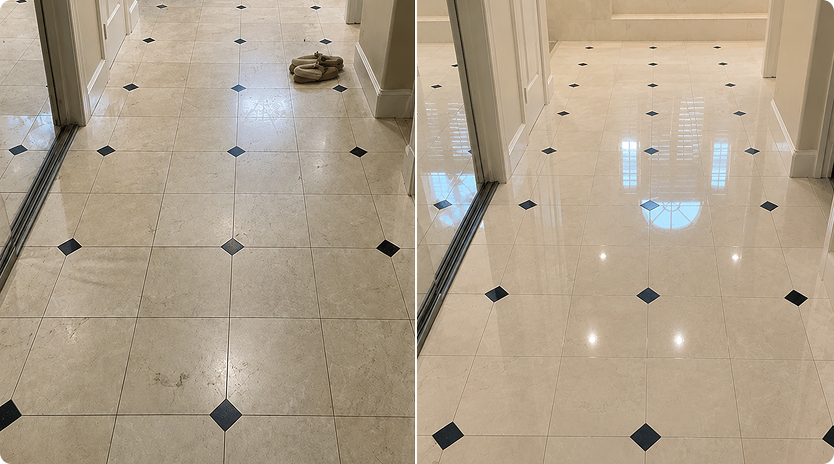
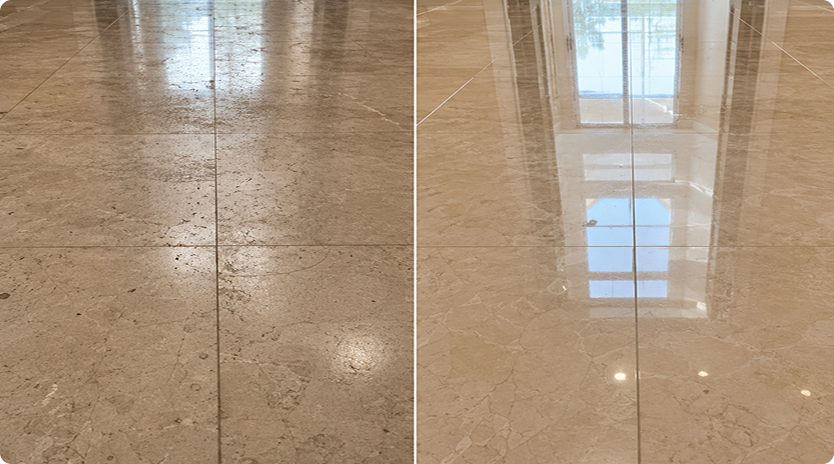
A high quality marble sealer and a natural stone penetrating sealer work the same basic way: they soak into the stone rather than sitting on top, so the protection holds up under foot traffic and cleaning instead of wearing off in a few weeks. We match the sealer to the material, granite counter sealer needs differ from what a limestone floor or slate tile needs, since each stone absorbs at a different rate.
Does sealing change the appearance of natural stone? A quality penetrating sealer shouldn't, it protects from within without adding shine or altering color, though some products do add a slight sheen if that's the look a space wants. Does stone sealing protect against water damage largely comes down to the same porosity question, sealed stone sheds water and moisture instead of absorbing it, which matters most in lobbies, restrooms and any space near an entrance.
How often should granite counters be sealed in a commercial setting depends on traffic, a busy café countertop needs attention more often than a low-use reception desk. We build a sealing schedule around actual use rather than a generic calendar date.

Ready to Restore Your Stone?
Don't replace beautiful natural stone just because it has become worn or damaged. Let our restoration specialists evaluate the surface and recommend the right solution.
Our Services Areas by Cities

Atlanta
Buckhead
Brookhaven
Sandy Springs
Roswell
Alpharetta
Milton
Johns Creek
Marietta
Smyrna
Vinning
And More
STONE sealings FAQS
FAQ
-
Sealing significantly reduces staining risk by keeping spills on the surface long enough to clean up, rather than letting them soak into the stone. It's not a total guarantee against every substance, but it buys real time compared to unsealed stone.
-
Unsealed stone absorbs spills, water and cleaning chemicals more readily, which leads to staining, discoloration and, in porous stones like limestone or sandstone, deeper damage over time. How quickly this shows up depends on the stone type and how much traffic the surface sees.
-
Most commercial sealing lasts one to three years depending on the stone, the sealer used, and how much daily traffic or cleaning the surface handles. High-use areas like café counters or entryway floors typically need resealing sooner than lower-traffic spaces.
-
It depends on the density of the specific granite, some resist staining well without it, but most benefit from sealing given how inexpensive it is compared to the cost of a stained or damaged countertop. We can test your granite's absorbency to give a clear answer.
-
No. Quartz is an engineered material that's non-porous, so it doesn't need a penetrating sealer the way natural stone does. It's one of the reasons quartz is often chosen for high-traffic commercial counters.
-
A quality penetrating sealer shouldn't noticeably change the stone's look, it soaks in and protects without adding a coating on top. Some sealers do add a slight sheen, which we can discuss if that's a look you're after.