

Professional services

Marble Polishing in Atlanta
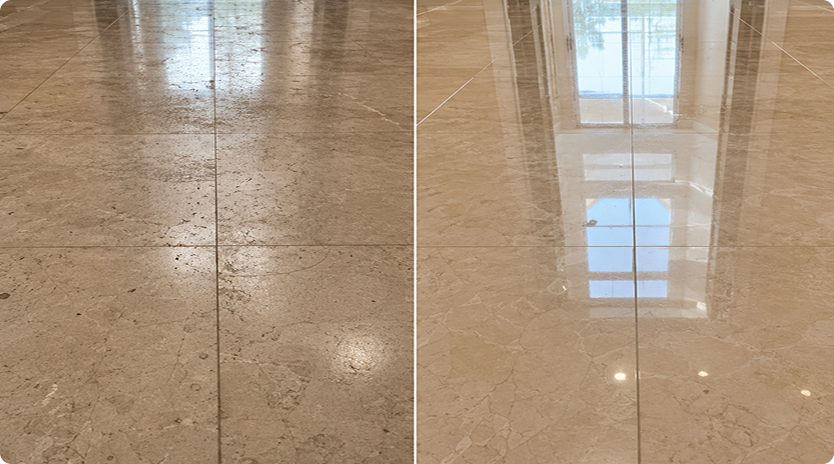
Residential marble polishing and restoration for floors, countertops and showers throughout metro Atlanta. Whether your marble has lost its shine, developed etch marks, or needs a full refinish, our marble polishing services bring back a smooth, even finish.


Quality Stone Restoration
How Much Does Marble Polishing Cost?
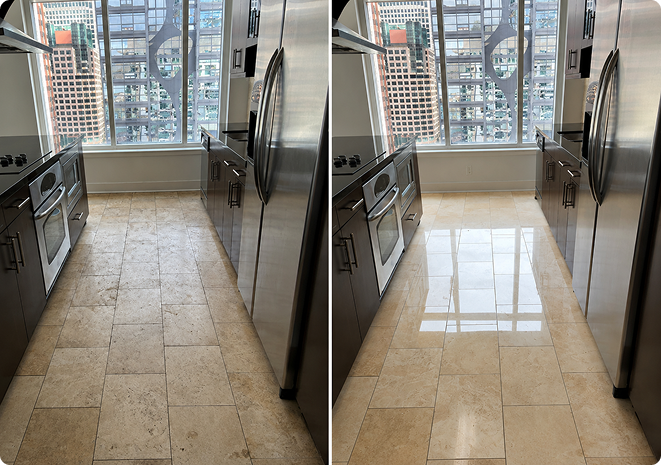
Marble polishing cost depends on the size of the area, the current condition of the floor, and whether the stone needs honing or grinding before polishing. A lightly worn countertop costs less to polish than a full room of etched, scratched marble flooring that needs several passes to bring back an even finish.
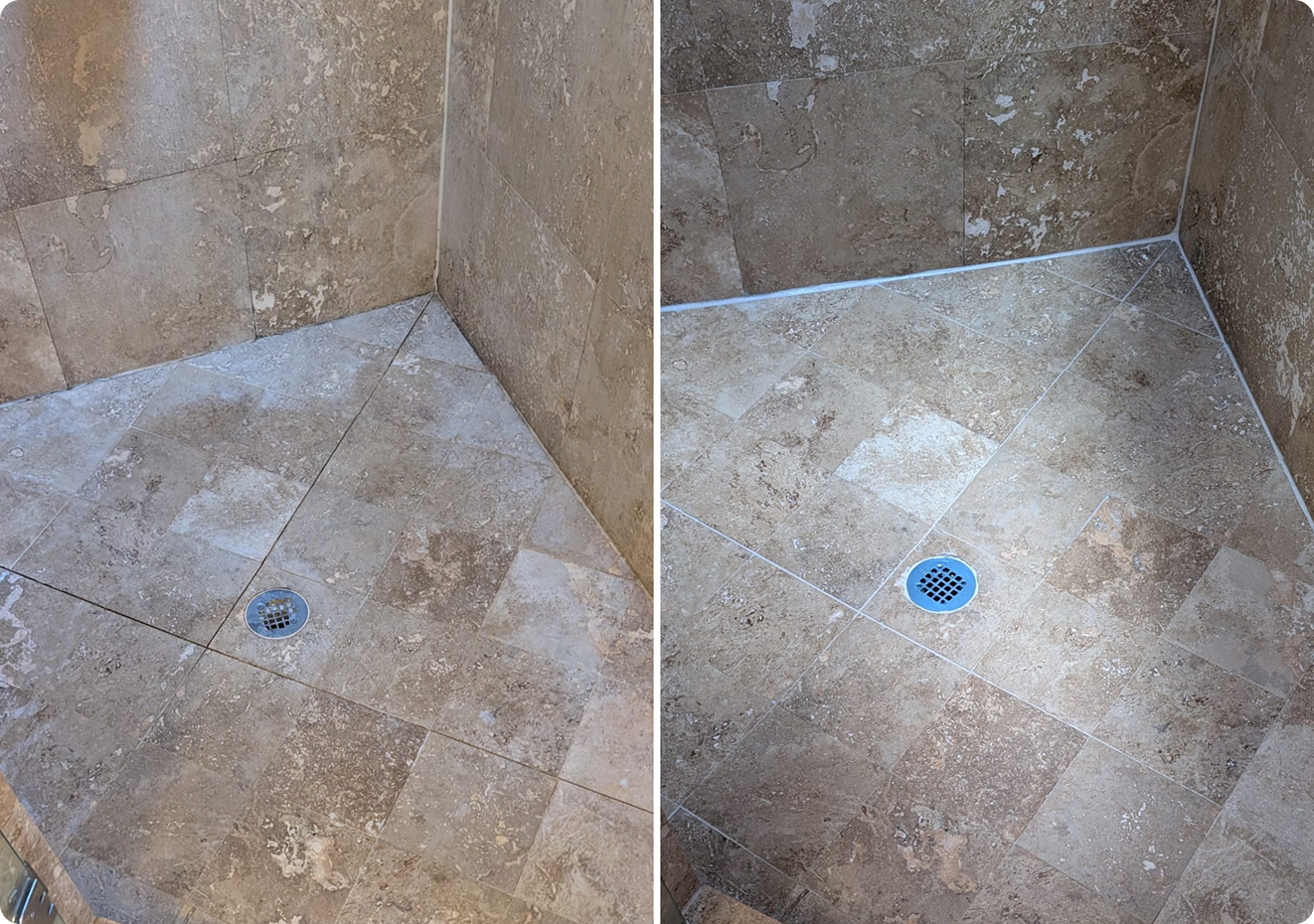
Our residential marble restoration services can include honing, diamond grinding, scratch and etch removal, stain treatment, and a final polish suited to the look you want, from a soft matte finish to a high-gloss shine. We evaluate each floor individually, since marble, limestone and travertine all respond differently to the same polishing process.
Complete Stone Care
What's Included

Marble Floor Polishing & Restoration
Limestone & Travertine Polishing
Granite Polishing & Refinishing
Honing for a Matte or Satin Finish
Scratch Removal & Surface Refinishing
Stone Floor Polishing for Showers & Countertops
High-Gloss Polishing
Etch Mark Removal Before Polishing

Restoring natural beauty,
Professional Marble Polishing & Refinishing
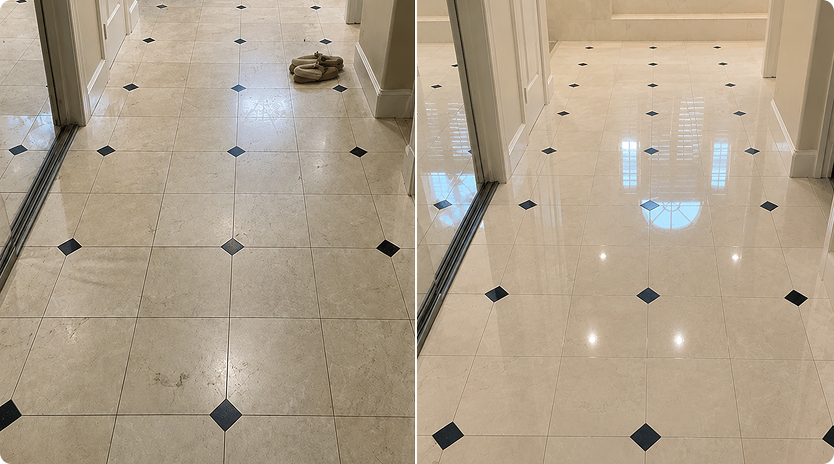
Marble floor polishing brings back the depth and shine that dull, worn marble loses over years of foot traffic and everyday cleaning. Honing marble is a related but different process, it's a mechanical grinding step that levels out scratches, etching and unevenness in the stone's surface before polishing brings back the final shine. Some floors only need a light polish; others need honing first to correct the surface underneath.
The same process works differently across stone types. Limestone floor polishing and travertine polishing both call for gentler techniques than marble, since these stones are typically softer and more porous. Granite polishing, on the other hand, usually needs a different set of tools altogether given how much harder the material is.
If you've searched for marble polishing near you or been comparing marble restoration in Atlanta, the short version is this: polishing restores shine to a surface that's still in reasonably good shape, while restoration or refinishing covers a broader repair process for floors with etching, chips or deeper wear. We'll tell you honestly which one your marble actually needs after a look at the stone.

Ready to Restore Your Stone?
Don't replace beautiful natural stone just because it has become worn or damaged. Let our restoration specialists evaluate the surface and recommend the right solution.
Our Services Areas by Cities

Atlanta
Buckhead
Brookhaven
Sandy Springs
Roswell
Alpharetta
Milton
Johns Creek
Marietta
Smyrna
Vinning
And More
Benifits of Stones
Professional Marble Polishing and Restoration


Restored Shine
Marble polishing brings back the depth and clarity that dull, worn marble loses over time.

Removed Scratches & Etching
Honing corrects scratches, etch marks and surface wear that a regular polish alone can't fix.

Smoother, More Even Surface
Grinding and honing correct uneven or worn patches, creating a more consistent floor.


Longer-Lasting Results
Proper sealing after polishing helps the finish last longer and resist future etching and stains.
Common Problems We Restore
FAQ
-
Honing is a mechanical grinding process that levels out a marble surface, removing shallow scratches, etch marks and unevenness before polishing. It's often the step needed before a floor can take a full, even shine, especially if the marble has visible damage rather than just dullness.
-
Cost depends on the size of the area, the stone's current condition, and whether honing or grinding is needed before the final polish. A single countertop costs less than a full floor. We give free, no-obligation quotes after seeing the stone or a few clear photos.
-
Most residential marble floors hold their shine for 12 to 18 months between professional polishing, though high-traffic areas like entryways and kitchens may need attention sooner. Regular sealing between polishes helps extend that timeline.
-
For marble that's dull or lightly worn but structurally sound, polishing is usually far more affordable than replacement and can bring back most of the floor's original shine. For marble with deeper damage, restoration (which includes honing and repair) is often the better starting point.
-
Polishing alone won't remove etching, since etch marks sit below the surface where acid has eaten into the stone. Honing is what actually corrects etching by grinding down to a level, undamaged layer, then polishing restores the shine on top of that.
-
Polishing brings shine back to a floor that's mostly in good condition. Refinishing is a more involved process, typically including honing, repair and grinding, for marble with deeper scratches, etching or unevenness that polishing alone can't fix.