How to Bring Your Natural Stone Back

Make it stand out
Whatever it is, the way you tell your story online can make all the difference.
Why Natural Stone Loses Its Beauty Over Time
Natural stone is one of the most timeless materials you can add to a home. Marble, granite, travertine, limestone, terrazzo, and other stone surfaces bring character, texture, and a sense of luxury to kitchens, bathrooms, floors, walls, and outdoor spaces. However, even the strongest natural stone is exposed to daily wear. Foot traffic, spills, moisture, cleaning products, furniture movement, and everyday use can gradually change the appearance of the surface.
What once looked smooth and polished may eventually become dull, scratched, stained, etched, or uneven. One of the biggest misconceptions about damaged stone is that the surface needs to be completely replaced. In many situations, replacement is unnecessary. Professional stone restoration can address years of wear and bring the surface back to a condition that looks dramatically different from its current appearance. Restoration focuses on identifying the specific problem and using the appropriate process to correct it rather than simply covering it up.
Different types of damage require different restoration methods. A dull marble countertop may need honing and polishing, while a stained floor may require deep cleaning and specialized stain extraction. Scratches may need grinding or refinishing, while chips and cracks can often be repaired and blended into the surrounding stone. A worn protective sealer may also need to be reapplied to help protect the surface.
At Stone Revival, our approach begins with understanding the condition of your stone. We look beyond the visible problem to determine what caused it and which restoration method will provide the best result. The goal is simple: preserve the stone you already have, restore its natural character, and help it remain beautiful for years to come.
Understanding the Most Common Stone Problems
Before restoring natural stone, it is important to understand the different types of damage that can occur. Stone problems are not all the same, and using the wrong treatment can sometimes make the condition worse. Dullness, scratches, etching, stains, chips, cracks, lippage, and water spots each require a different approach. Identifying the problem correctly is the first step toward achieving a professional-looking result.
Dull or cloudy stone is one of the most common concerns, particularly in high-traffic areas. Over time, the original finish can become worn down by foot traffic, cleaning, and everyday activity. Marble and other softer stones can also develop etch marks when exposed to acidic substances such as citrus, wine, vinegar, or certain household cleaners. These marks are not simply surface dirt; they can actually change the appearance and texture of the stone.
Professional Cleaning: The First Step Toward Restoration
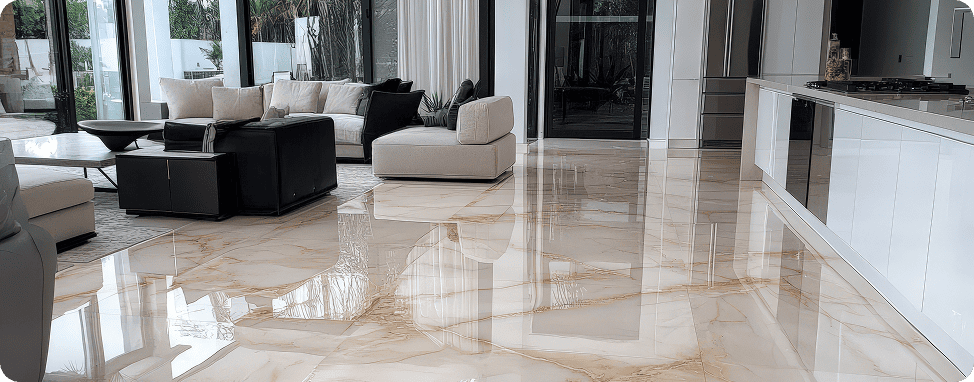
A successful stone restoration project often begins with something that seems simple: a thorough professional cleaning. Natural stone can collect layers of dirt, dust, soap residue, grease, mineral deposits, and other contaminants that ordinary household cleaning cannot completely remove. These layers can hide the true condition of the stone and make the surface appear older and more damaged than it actually is.
Professional stone cleaning is different from routine maintenance. Household cleaners are generally designed for everyday dirt, but natural stone requires products and techniques that take the characteristics of the material into consideration. Certain acidic or abrasive cleaners can damage sensitive stones, remove protective sealers, or leave behind residue. Using the wrong product repeatedly can gradually affect the finish.
During professional cleaning, the surface is carefully assessed before the appropriate cleaning method is selected. Depending on the stone and the type of buildup, the process may target soap scum, hard-water deposits, grease, embedded dirt, stains, and other contaminants. In areas such as showers, kitchens, entryways, and heavily used floors, this preparation can make a significant difference. Deep cleaning can also reveal problems that were previously hidden. Once dirt and residue are removed, it becomes easier to determine whether the stone requires honing, polishing, grinding, stain removal, or sealing. This helps ensure that the restoration process addresses the actual condition of the surface rather than simply treating what appears on top.
Grinding, Honing, and Polishing: Restoring the Finish
Professional grinding, honing, and polishing restore the appearance and finish of natural stone by correcting scratches, uneven surfaces, dullness, and surface imperfections. The right technique is selected based on the stone type and its condition.
Removes scratches & surface damage - Reduces visible scratches and restores the damaged surface.
Corrects uneven areas and lippage - Creates a more level and uniform stone surface.
Restores smoothness and consistency - Makes the surface smoother and more even to the touch.
Revives natural color and shine - Brings back the stone’s original beauty and finish.
Improves the overall appearance - Makes worn and dull stone look cleaner and refreshed.
Enhances the stone’s natural character - Highlights the stone’s natural patterns, color, and texture.
Removing Stains, Etching, Scratches, and Surface Damage
Some stone problems require more than cleaning or polishing. Stubborn stains, etching, scratches, chips, and other forms of damage can affect the appearance of an otherwise beautiful surface. Understanding that each issue requires a different treatment is essential to achieving a lasting restoration.
Stains can occur when liquids penetrate into porous stone. Coffee, wine, cooking oils, rust, and other substances may leave discoloration beneath the surface. Simply scrubbing harder does not necessarily remove these stains and can sometimes create additional surface damage. Professional stain treatment may involve specialized extraction methods designed to draw contaminants from the stone.
Etching is particularly common with marble and other calcium-based stones. Acidic substances can react with the stone and leave dull marks or areas with a different texture. Because etching is a surface reaction rather than ordinary dirt, conventional cleaning will not usually correct it. Depending on its severity, professional honing and polishing may be required to restore the affected area.
Protecting Your Stone After Restoration
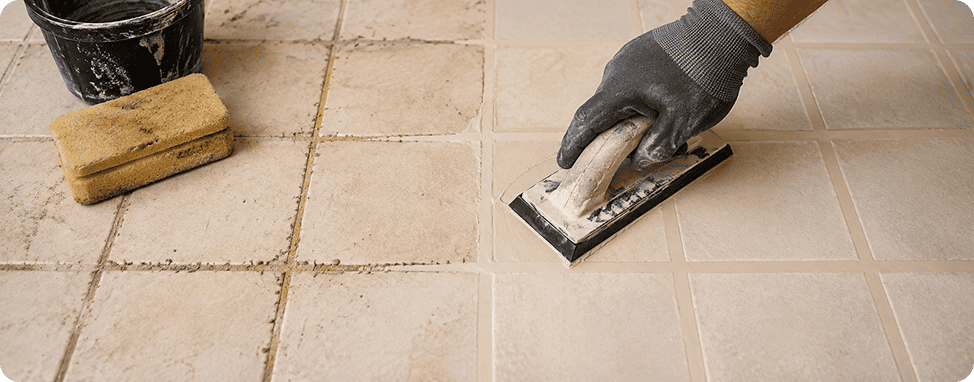
Restoring natural stone is an important investment, but maintaining that restored appearance is just as important. Once your stone has been professionally cleaned, repaired, honed, or polished, the right protection and maintenance routine can help preserve the results. Without proper care, even a beautifully restored surface can gradually become exposed to stains, moisture, scratches, and everyday wear again.
Sealing is one of the most important protective steps for many types of natural stone. A suitable sealer can help reduce the absorption of liquids and give you additional time to clean spills before they penetrate deeply into the stone. However, sealing does not make stone completely stain-proof or eliminate the need for regular maintenance. The appropriate sealer and maintenance schedule depend on the type of stone, its location, and how heavily it is used.
Daily care also matters. Stone surfaces should generally be cleaned with products appropriate for natural stone rather than harsh acidic or abrasive chemicals. Spills should be addressed as soon as possible, particularly on porous materials. In high-traffic areas, regular dust and dirt removal can also help reduce the amount of abrasive material coming into contact with the surface.
Subscribe Our Newsletter
At Stone Revive, We specialize in professional stone restoration that brings your surfaces back to life.