

Stone Sealing in Atlanta
Professional services

Granite sealing, marble sealing, and travertine sealing for countertops and floors across metro Atlanta. Sealing protects natural stone from stains, moisture and everyday wear, and it's one of the simplest things you can do to make a restoration last.


Quality Stone Restoration
How Often Should You Seal Granite Countertops?
How often to seal granite countertops depends on the sealer used and how much daily use the surface sees. Most granite countertop sealing lasts one to three years, though kitchen counters near a sink or stove tend to need resealing sooner than a bathroom vanity. Do you have to seal granite countertops? Not always, some denser granites resist staining well enough on their own, but sealing is inexpensive insurance against the kind that don't.
Marble and travertine need more frequent attention. How often should marble be sealed is typically closer to once a year, since marble is more porous and prone to staining than granite. Travertine sealing follows a similar timeline, particularly for travertine tile cleaning and sealing in showers or outdoor patios where the stone stays wet more often.
Complete Stone Care
What's Included

Deep Damage, Professionally Restored
Marble Sealing
Travertine Sealing
Removing Scratches, Etches & Wear
Residential Stone Sealing
Sealer Application & Reapplication
Creating Smoother, Even Stone Surfaces
Targeted Treatment for Stubborn Stains

Restoring natural beauty,
Professional Stone Sealing & Protection
Sealing granite starts with a clean, completely dry surface, since sealing over dust or residue just traps it under the finish. We use a pH-neutral cleaner to prep the stone rather than anything acidic, which can interfere with how well the sealer absorbs. Once the surface is ready, the sealer gets wiped on, left long enough to soak in, then buffed off before it has a chance to dry on top of the stone rather than in it.
Marble goes through the same basic steps, but it matters more here, since marble's porosity means an unsealed surface stains far more easily than granite does. Whether it's a floor or a countertop, the same penetrating sealer applies, worked in evenly and given time to cure before the surface goes back into daily use.
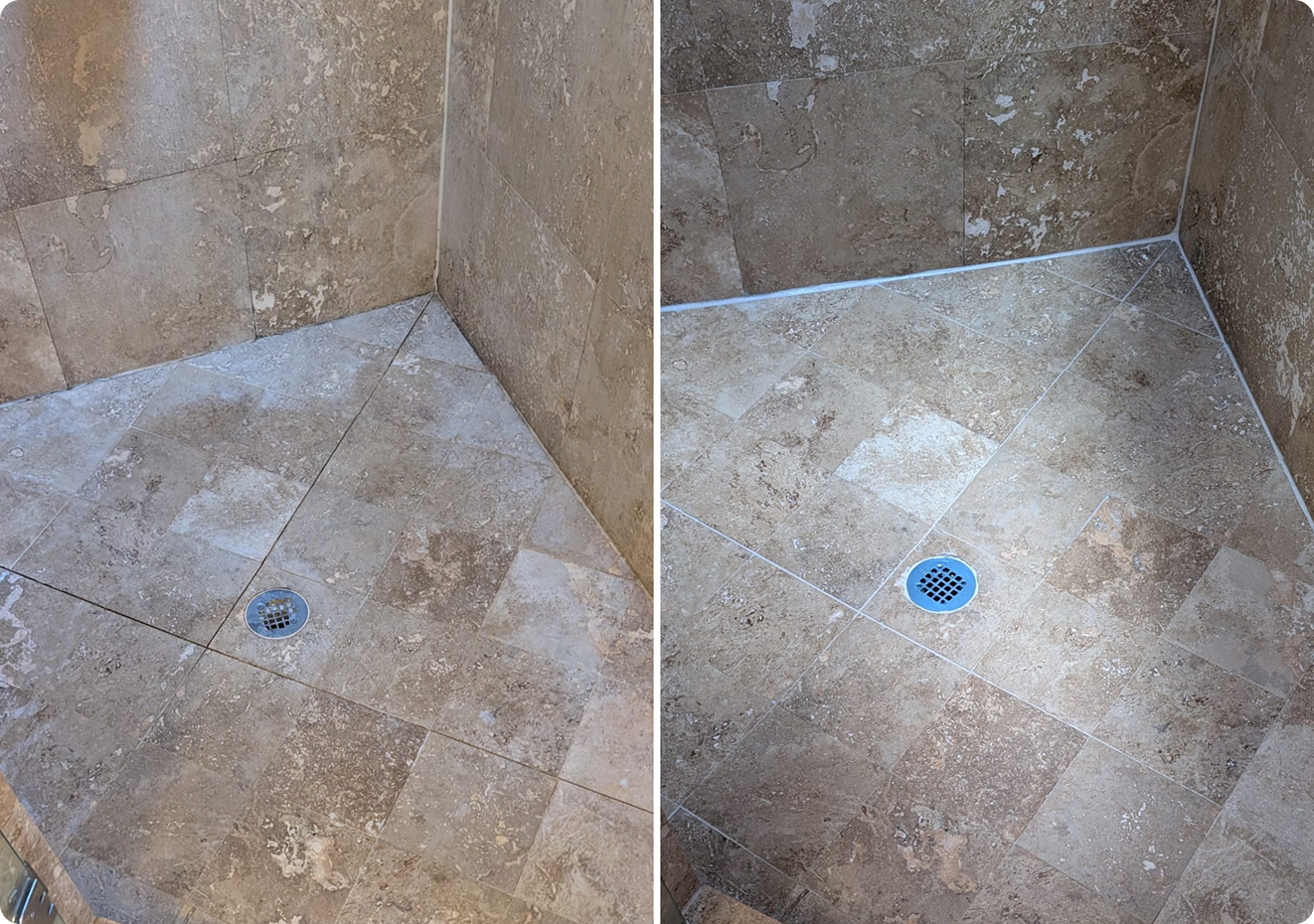
Travertine needs a bit more attention during application, since the stone's natural holes and pits need the sealer worked into them rather than left sitting on the flat surface. Beyond that, the right sealer really comes down to the stone and the look you're after: an impregnating sealer soaks in and protects without changing the surface's appearance, while a topical sealer sits on top and can add some sheen. Either way, expect the seal to hold anywhere from one to several years depending on the sealer and how much wear the surface sees.
Every so often, an old sealer yellows or wears unevenly rather than just fading out. In that case, we strip the old sealer back first rather than layering a fresh coat over what's already failing.
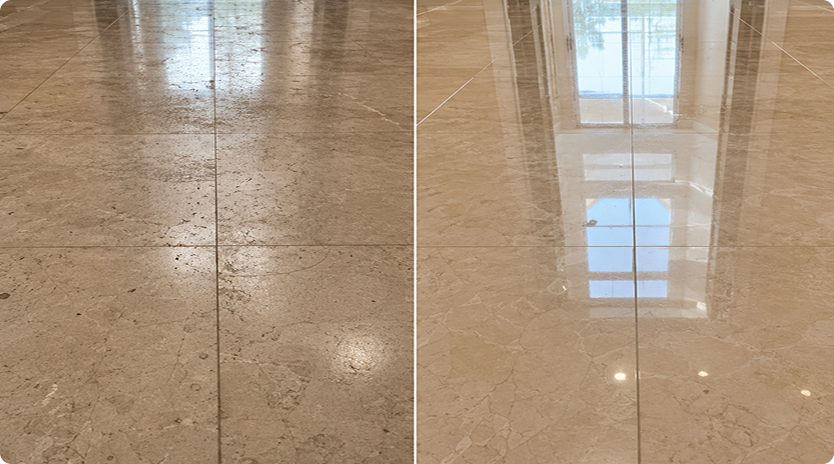

Ready to Restore Your Stone?
Don't replace beautiful natural stone just because it has become worn or damaged. Let our restoration specialists evaluate the surface and recommend the right solution.
Our Services Areas by Cities

Atlanta
Buckhead
Brookhaven
Sandy Springs
Roswell
Alpharetta
Milton
Johns Creek
Marietta
Smyrna
Vinning
And More
Common Problems We Restore
FAQ
-
The surface is cleaned with a pH-neutral cleaner and fully dried, then a penetrating sealer is applied, left to absorb, and buffed off before it dries on top. Sealing over a dirty or wet surface traps residue underneath and shortens how long the seal lasts.
-
Most granite countertops need resealing every one to three years, depending on how much daily use the surface gets and how dense the granite is. Areas near a sink or stove typically need sealing sooner than lower-use surfaces.
-
Marble is sealed the same way as granite, clean, dry surface, penetrating sealer, then buffed off after it absorbs, but marble typically needs resealing more often since it's more porous and prone to staining.
-
Travertine sealing needs extra attention to the stone's natural holes and pits, making sure the sealer reaches into those areas rather than sitting only on the flat surface. This matters most for travertine tile in showers or outdoor patios that see regular moisture.
-
Marble typically needs resealing about once a year, more often in high-use areas like kitchen countertops, since it's more porous than granite and stains more easily when the seal wears down.
-
It depends on the stone and the look you want. An impregnating sealer soaks into the stone and protects from within without changing its appearance, while a topical sealer sits on the surface and can add sheen. We recommend the type based on the specific stone and how it's used.